
BiofuelFuel made from organic feedstock, such as renewable diesel, biodiesel, sustainable aviation fuel, renewable natural gas, and ethanol. runs on the same residues CDRTaking carbon dioxide out of the atmosphere and storing it for a long time, such as underground or in biochar. wants.
A FEED Biofuel designation has a narrower scope and lighter monitoring than a FEED CDR designation.
A FEED designation proves where your feedstockThe raw material a plant runs on, such as wood residues, manure, biosolids, or crushed rock. came from, what would have happened to it, and whether selling it moves emissions elsewhere.
One designation can cover both carbon removal and biofuel. The scope is set when the streamA feedstock supplier’s recurring source of one feedstock, such as a sawmill’s bark or a utility’s biosolids. is designated. A stream designated for carbon removal already meets what biofuel programs ask, so it reaches a biofuel producer with the work done.
Mandates, tax credits, and purchase agreements keep raising demand for biofuel, and production capacity has risen sharply in response. Those policies also reward low carbon intensityThe greenhouse gas emissions behind a fuel over its life cycle, per unit of energy., and residues and wastes score lowest. So each new biofuel plant competes for the same limited supply of residue and waste feedstock. For feedstock suppliers, that means more buyers, longer contracts, and stronger pricing, as long as the supplier can prove the feedstock is a genuine residue or waste.
Biofuel buyers pay for wastes and residues because fuel made from them earns more government credits than fuel made from purpose-grown energy crops. That advantage holds only when evidence proves the feedstock is a genuine waste or residue. Material that can’t be traced to its source, or that was deliberately made into waste, earns the same credits as energy crops. This is why every biofuel producer asks for data, sampling plans, and site visits. Every new producer asks again, and each one walks away with your sensitive source lists and volumes, with no promise to buy. A FEED designation proves your feedstock once and stays current through annual monitoring.
The rules for biofuel feedstock keep getting stricter, and the questions are getting harder. Showing where your material came from is no longer enough. Buyers increasingly need to know what would have happened to the material if nobody had bought it for fuel: would it have rotted, been landfilled, or gone to another use? And if someone else was already using it, for animal feed, compost, or fertilizer, that user now has to replace it, which can erase the benefit the fuel claims. Answering those questions takes analysis, not just paperwork. FEED does the evidence gathering and the analysis for you, with annual monitoring updates, so your feedstock is ready for each new requirement before buyers ask.
Sell FEED-designated feedstock directly to biofuel producers, or sell through the FEEDstock Desk. Through the Desk, you sell to Ecostrat, a single creditworthy buyer with over 25 years in the biomass business. Ecostrat buys as a principal and pools demand from many biofuel producers.
How it works
- Apply
Tell us about your stream and the records you keep. We’ll let you know on December 20, 2026 whether your application has been accepted for a free FEED designation.
- Designation
You choose the designation: FEED CDR for carbon removal, FEED Biofuel for biofuel, or both. FEED gathers the evidence, runs the analysis, and designates your stream.
- Sell
Sell designated feedstock directly to biofuel producers or to Ecostrat through the FEEDstock Desk.
Records you already keep, such as weigh tickets, moisture content, hauling invoices, disposal contracts, and lab results. Land managers provide documents such as management plans, harvest prescriptions, or burn permits.
Prospective buyers see the gate findings, the Designated Quantity, and the carbon profile. Your commercial data is redacted. The full evidence package goes only to a buyer under contract, that buyer’s verifier, and the registry or program that buyer reports under.
FEED designates the share of your stream that qualifies and you keep the findings for the rest. Leakage findings often reflect what other buyers in your supply shed are doing, which is outside your control. If that market changes, your stream can be assessed again.
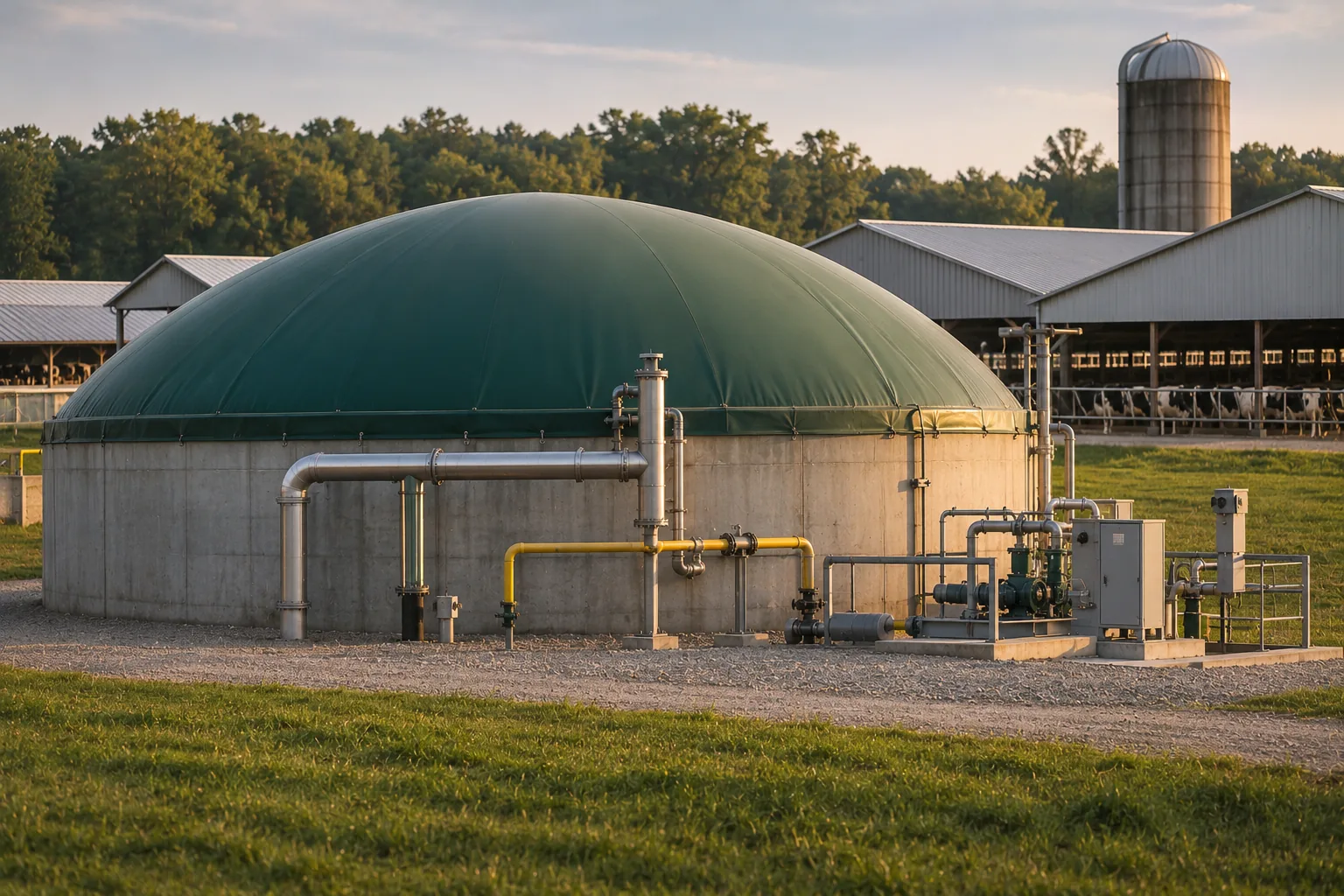
Turn a disposal cost into a low-carbon commodity.
Biofuel producers need evidence and a carbon intensity score for every ton of waste they buy. A FEED designation gives each of your waste streams the feedstock evidence behind that score, turning a disposal cost into feedstock that backs the carbon claims biofuel producers make.
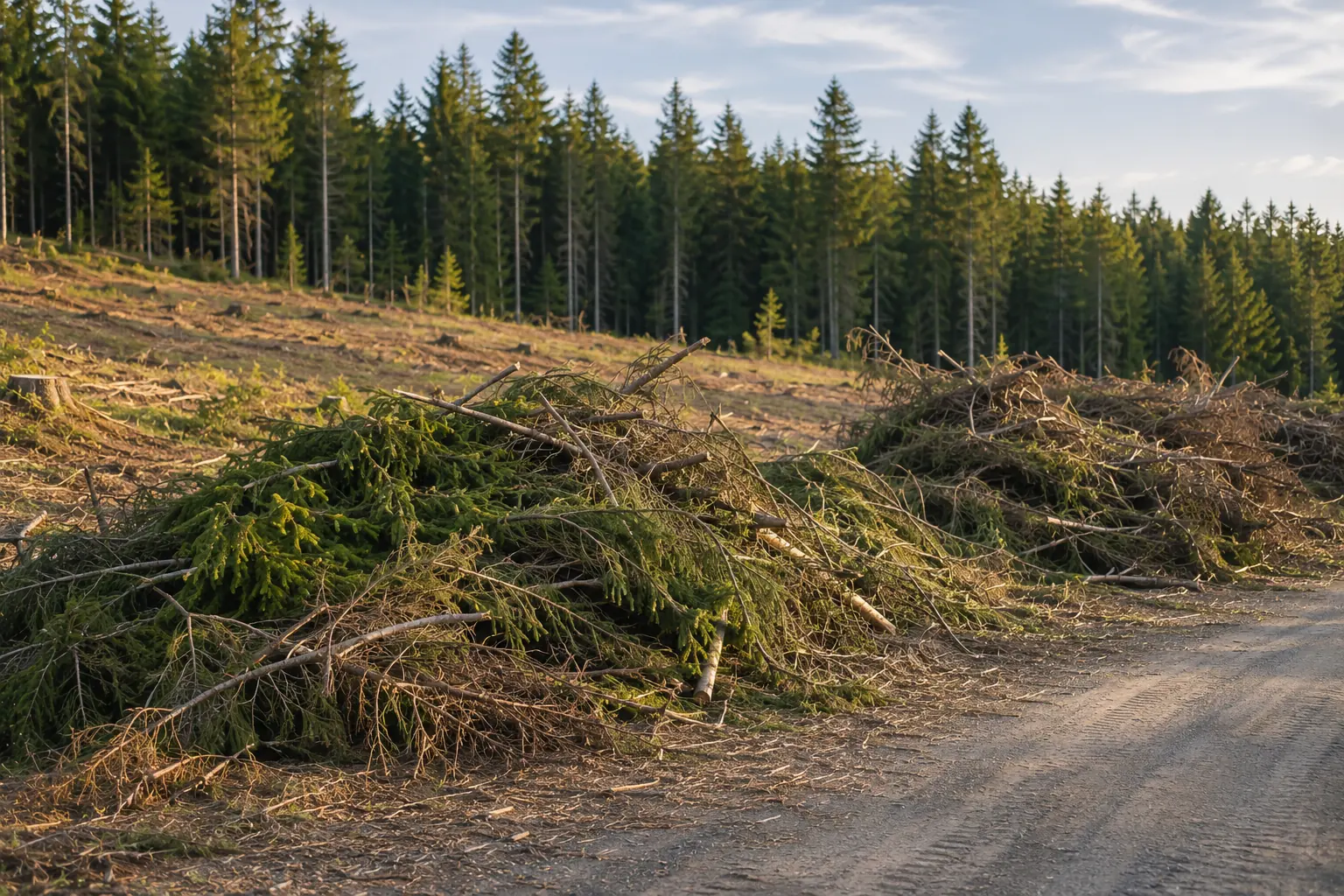
Let low-value slash pay its way out of the woods.
Biofuel producers need evidence for every ton of slash and invasive species they buy. A FEED designation gives each of your removals that evidence, including what the material would have done without biofuel and whether selling it causes leakage. That lets material you once paid to burn or haul help pay for fuel reduction and cleanup.
Eligibility decides whether your fuel earns credits, and carbon intensity decides how much each gallon earns. Both rest on feedstock evidence. FEED gives you an independent finding on what each stream would have done if nobody had bought it for fuel, built from the feedstock supplier’s own disposition records and an analysis of the market around it, and calculates each stream’s emissions from origin to pickup using GREET LCAAn accounting of all the emissions from making a product, from raw material to finished product. models.
A stream is rarely all eligible. FEED sets a Designated QuantityThe share of a feedstock supplier’s stream that clears every gate and can be sold, in dry metric tons for a given reporting period. It carries the evidence package, gate findings, and carbon profile with it. The rest of the stream is excluded, each ton with its reason recorded. for each stream, which is the share that can go to biofuel, and rechecks it every year. You see that number before you contract, so you know your headroom before you add a feedstock supplier or expand a line. Tons outside it are excluded before you buy rather than questioned at verification.
Every new feedstock supplier means another round of diligence: data requests, site visits, sampling, and analysis, with the records rarely arriving in the same format twice. A FEED designation builds the evidence once for the stream, keeps it current through annual monitoring, and arrives in the form your programs ask for.
How it works
- Put a feedstock supplier forward
Apply with one feedstock supplier you buy from, or plan to buy from.
- FEED designates the stream
FEED gathers the feedstock supplier’s records, runs the analysis, and sets the Designated Quantity for the stream.
- Evidence goes to your auditor
The FEED evidence package travels with the feedstock to your program auditors.
Your fuel pathway, the fuel programs you sell into, and the feedstock supplier you want designated. The feedstock supplier provides the records.
We’ll let you know on December 20, 2026 whether your application has been accepted for a free FEED designation.
FEED designates the share that qualifies and records the reason for the rest, so you know the eligible quantity before you contract.
Ecostrat is a North American leader in biomass supply chain intelligence, risk assessment, and project development. Our Carbon Markets division builds on that foundation for the future of the biomass economy. About Ecostrat
Start with a free FEED designation.
A free FEED designation covers one feedstock stream from one feedstock supplier.
Applications close December 15, 2026. We’ll announce which applications are accepted on December 20, 2026.
Have a question first?