Nine in ten CDRTaking carbon dioxide out of the atmosphere and storing it for a long time, such as underground or in biochar. credits sold depend on feedstockThe raw material a plant runs on, such as wood residues, manure, biosolids, or crushed rock..97% have yet to be delivered.
- Biogenic2.8%
- Alkaline6.0%
- Other<0.1%
Feedstock-based pathways are 94% of tons sold and 99.8% of tons delivered.
- Biogenic
- Alkaline
- Other
| Feedstock type | Pathways | Tons sold | Tons delivered | Sold, not yet delivered | Share of type delivered |
|---|---|---|---|---|---|
| Biogenic | BECCS, biochar, bio-oil, biomass burial, marine biomass | 41,990,504 | 1,181,778 | 40,808,726 | 2.8% |
| Alkaline | Enhanced weathering, mineralization, ocean alkalinity enhancement | 1,672,281 | 101,150 | 1,571,131 | 6.0% |
| Other | Direct air capture, direct ocean removal | 2,731,098 | 2,013 | 2,729,085 | <0.1% |
| Total | 46,393,883 | 1,284,941 | 45,108,942 | 2.8% |
Each ton of CDR takes two to four tons of feedstock.
Every ton of feedstock requires extensive evidence to qualify.
Suppliers provide that evidence deal after deal, for little in return.
Developers rebuild it supplier after supplier, at their own risk.
Until now.
The 45 million tons of CDR credits sold but not yet delivered will be made almost entirely from biomass or alkaline minerals. The largest buyers are signing deals for millions of tons.
- In the first quarter of 2026, biochar made up 93% of all durable CDR tons contracted.
- In 2025, Microsoft agreed to buy 6.75 million tons of carbon removal over 15 years from AtmosClear, starting when its Baton Rouge plant opens in 2029. The plant will burn sugarcane bagasse and forest trimmings and store the carbon dioxide underground.
- In 2025, Microsoft also agreed to buy up to 4.9 million tons of carbon removal through 2038 from Vaulted Deep, which injects biosolids, manure, paper sludge, and food and agricultural residuesMaterial left over from making something else, such as sawdust, bark, or crop stalks. deep underground.
Sources: CDR.fyi, Q1 2026 durable CDR market update · Biofuels Digest, AtmosClear and Microsoft (2025) · Fidelis, AtmosClear agreement with Microsoft (2025) · Renewable Energy Magazine, Vaulted Deep and Microsoft (2025)
Every ton of your residue must be shown to be genuine, non-durableFeedstock that would decompose or burn, and release its carbon, if no one used it. waste with no past or potential productive user, with documented chain of custody, weights, moisture, carbon content, contaminants, certifications, and legal sourcing. Without FEED, each developer sends its own data requests, sampling plans, and site visits, and you hand sensitive supplier lists and volumes to each one. FEED packages the evidence and analysis with a specific streamA supplier’s recurring source of one feedstock, such as a sawmill’s bark or a utility’s biosolids. of your material, in the format each CDR registryAn organization that sets the rules for carbon credits and issues them, such as Isometric or Puro.earth. uses, and the results travel with your feedstock to registries and verifiersAn independent auditor, hired by the developer or producer, that checks the evidence behind a credit or claim..
- CDR.fyi counts 259 companies that have sold durable CDR credits. Outside Microsoft and Frontier, most deals are below 100,000 tons, so supplying many developers means many small contracts.
- Frontier’s first CDR offtake contract was so dense that rewriting it in plain English cut negotiations from six months to two.
Sources: CDR.fyi, Durable CDR demand structure snapshot (April 2026) · Frontier, Publishing Frontier’s offtake agreement template (2024)
Without leakageEmissions that move elsewhere because of a purchase, when a displaced user replaces the feedstock with something else or a supplier produces more. evidence, many CDR registries cap what a developer can pay for feedstock. The caps guard against two kinds of market leakage: (1) a payment pushing a supplier to make more waste, and (2) CDR outbidding an existing user of the stream, forcing that user to replace it, often with fossil fuel or virgin material. Registries assume a payment below the capA registry’s limit on what a developer can pay for feedstock, used when there is no direct evidence on leakage. is too small to cause leakage. This is how registries protect the credit but leave feedstock suppliers little reason to sell into CDR. FEED runs Ecostrat’s supply shedThe area a feedstock can be hauled from at reasonable cost, and the suppliers and buyers in it. history through a techno-economic analysisAn analysis that combines a feedstock’s physical properties with the economics of its market, such as who buys it, at what price, and what they would use instead. to assess both kinds of leakage directly, with evidence registries can weigh in place of a cap.
- Isometric’s zero-leakage pathway applies only when the supplier is paid no more than the cost of recovering, transporting, and replacing the feedstock.
- Outside that pathway, Isometric caps the payment at one of three limits: (1) 5% of the revenue from the supplier’s operations, (2) two times what the supplier would otherwise pay to dispose of the feedstock, or (3) 5% of the supplier’s total revenue at benchmark prices.
- Puro.earth’s 2025 biochar methodology requires each project to count direct land use change in its life cycle assessmentAn accounting of all the emissions from making a product, from raw material to finished product. and to assess leakage, including market effects.
Sources: Isometric, Biomass Feedstock Accounting v1.3 · Puro.earth, Biochar Methodology, Edition 2025
Sell FEED-designated feedstock directly to CDR developers or through the FEEDstock Desk. Through the Desk, you sell to Ecostrat, a single creditworthy buyer that has worked in the biomass economy for over 25 years. Ecostrat buys as a principal, so it can pool demand from many developers and commit to buying from you at a known price. The Desk builds your sales pipeline and handles transport and delivery.
- Over more than 25 years, Ecostrat has delivered over 5 million metric tons of feedstock to bioenergy, renewable fuel, biogas, and biomaterial markets.
Sources: Advanced BioFuels USA, Ecostrat awarded Company of the Year by Canadian Biomass Magazine (2024)
How it works
- Free screening
Tell us about your stream. We’ll tell you whether it’s likely to qualify, then estimate its price range per ton with and without a FEED designationFEED’s finding that a stream’s evidence and analysis meet the published FEED standard..
- Designation
FEED gathers the evidence, runs the analysis, and designates your stream. Annual monitoring keeps the designation current.
- Sell
Sell designated feedstock directly to CDR developers or to Ecostrat through the FEEDstock Desk.
Records you already keep, such as weigh tickets, moisture content, hauling invoices, disposal contracts, and lab results. Land managers provide documents such as management plans, harvest prescriptions, or burn permits.
A FEED screening takes 1 week. Designation usually takes 2-3 weeks from the day we have your records, so the sooner you send them, the sooner it’s done.
Screening is free. A designation costs a fixed fee, quoted at screening, and the fee is the same whatever the outcome. Annual monitoring, also at a fixed fee, keeps the designation current.
FEED designates the share of your stream that qualifies and you keep the findings for the rest. Leakage findings often reflect what other buyers in your supply shed are doing, which is outside your control. If that market changes, your stream can be screened again.
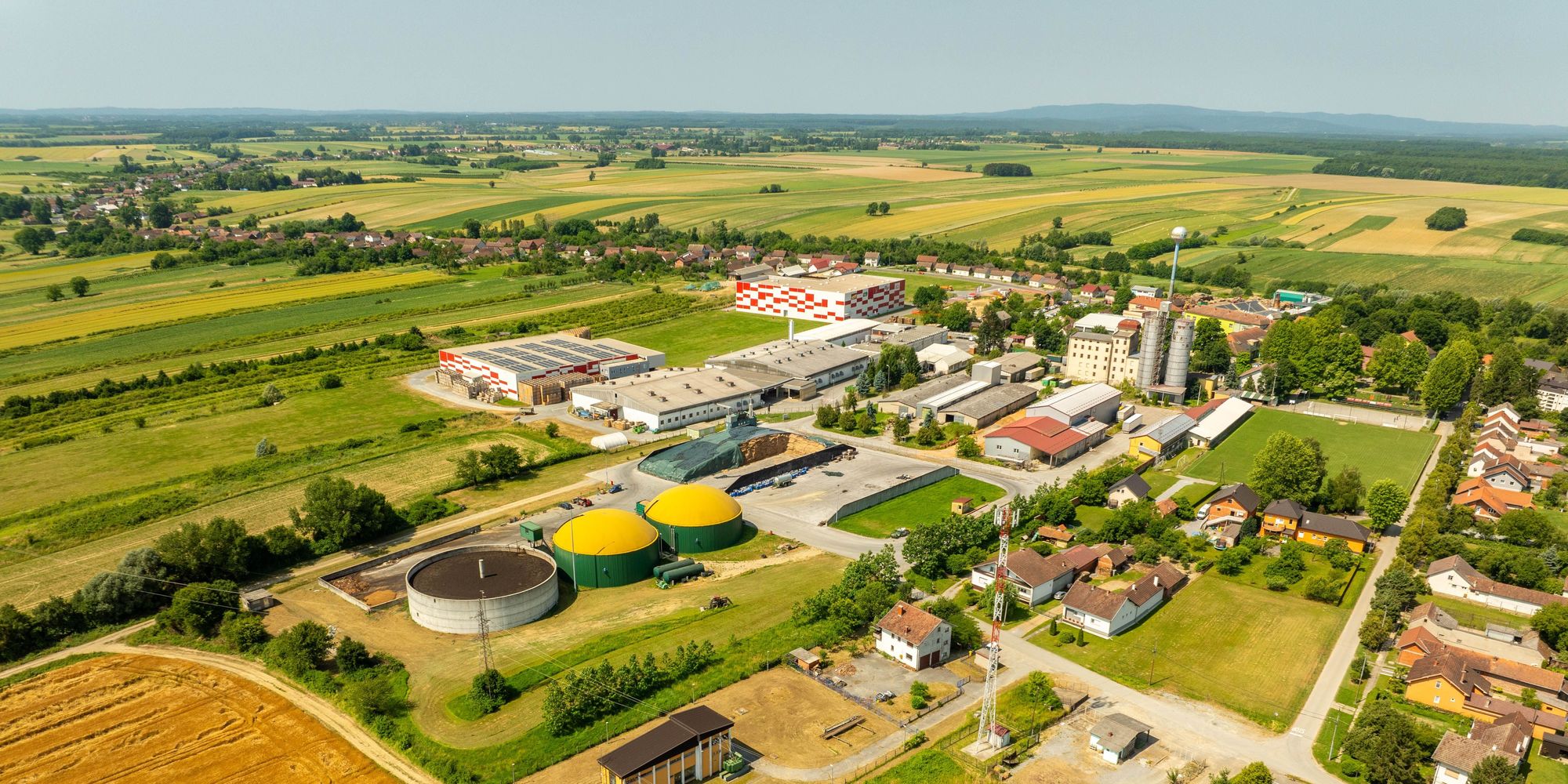
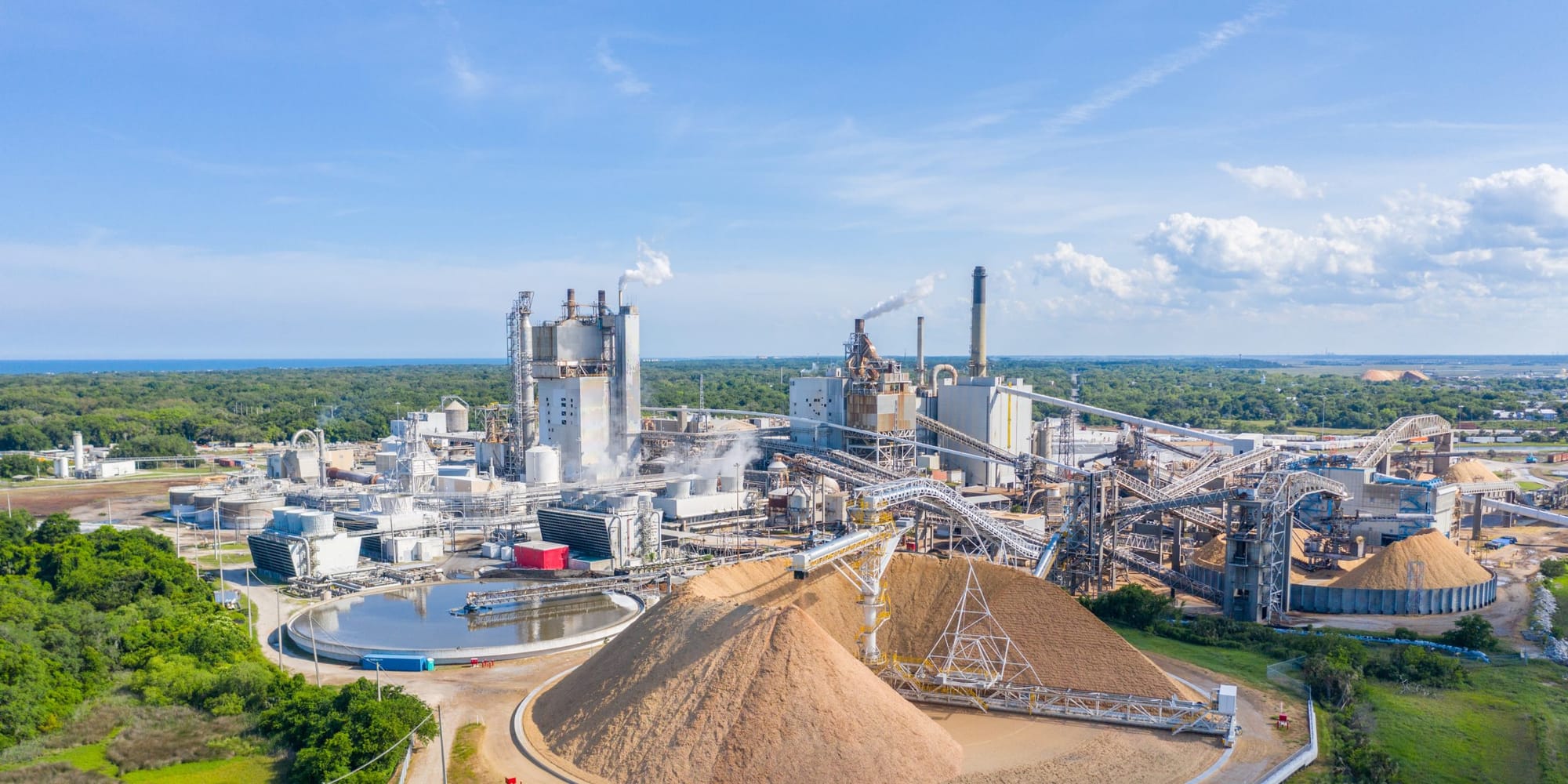
Turn a disposal cost into a CDR commodity.
CDR developers need evidence for every ton of waste they buy. A FEED designation gives each of your waste streams that evidence, including what the waste would have done without CDR and whether selling it causes leakage. That turns a disposal cost for you into premium feedstock for a CDR developer.
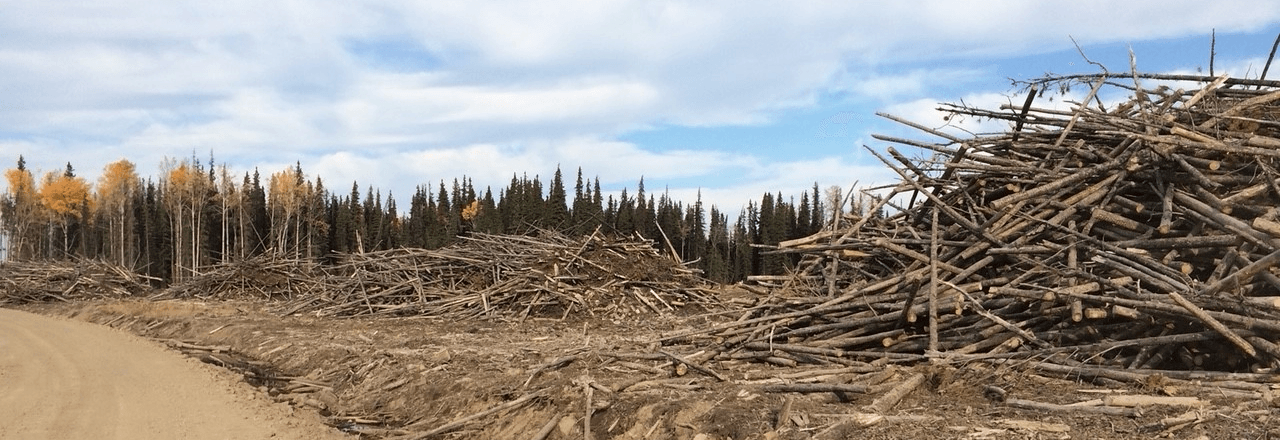
Let low-value slash pay its way out of the woods.
CDR developers need evidence for every ton of slash and invasive species they buy. A FEED designation gives each of your removals that evidence, including what the material would have done without CDR and whether selling it causes leakage. That lets material you once paid to burn or haul help pay for fuel reduction and cleanup.
Each new supplier and each reporting period brings another round of data requests, site visits, and sampling to document origin, counterfactual fateWhat would have happened to a feedstock if no one had bought it, such as landfilling, burning, or rotting in place., and leakage risk. The records rarely arrive in the same format twice. A FEED designation does that work for the stream, keeps it current through annual monitoring, and maps it to your registry’s protocol.
- Isometric requires evidence of each feedstock’s counterfactual fate, such as five years of supplier history, purchase records, or an assessment of its most economically viable alternative use. That evidence holds only as long as the feedstock’s sourcing doesn’t change.
- Every reporting period, Isometric requires new evidence, or confirmation that existing evidence is current, that each feedstock meets its sustainability criteria. It also requires market leakage to be quantified for the period, with weigh scale tickets or equivalent records for each batch.
- Puro.earth’s 2025 biochar methodology replaced its reference to the European Biochar Certificate’s feedstock list with its own rules for which feedstocks qualify and how to prove it.
- Puro.earth requires biochar developers to keep records of every feedstock batch, including its source, amount, and quality.
Sources: Isometric, Biomass Feedstock Accounting v1.3 · Puro.earth, Biochar Methodology, Edition 2025
Deductions and reversals often start with weak feedstock evidence. FEED excludes undocumented or ineligible material before designation, so the tons you buy reach verification with nothing left to deduct for feedstock. It assesses counterfactual fate and leakage against years of supply shed history, so your verifier weighs evidence in place of conservative defaults. Annual monitoring then catches changes in the supply shed before they reach your credits.
- Isometric counts no credits for feedstock that fails its eligibility or sustainability criteria, and it checks sustainability criteria every reporting period.
- When a payment falls outside Isometric’s zero-leakage pathways, the developer must calculate the market leakage emissions and count them against its credits.
- In Supercritical’s 2025 biochar market analysis, only 20% of credits from failed or low-quality projects had sold.
Sources: Isometric, Biomass Feedstock Accounting v1.3 · Biochar Today, Supercritical’s analysis of biochar market bottlenecks (2025)
BiofuelFuel made from organic feedstock, such as renewable diesel, biodiesel, sustainable aviation fuel, renewable natural gas, and ethanol. plants are scaling fast, and many run on the same residues and wastes that CDR needs. Once a stream has a biofuel buyer, its counterfactual changes. Without CDR, it would have replaced fossil fuel, so taking it for CDR means that fossil fuel gets burned instead. The CDR credit still stores the stream’s carbon, but it can’t claim the full benefit it would have over the typical disposal pathway. Registries count that lost benefit as leakage against your credits. FEED designates a stream for CDR only when no biofuel producer nearby is able or willing to take it.
- U.S. renewable diesel and other biofuels production capacity grew more than 5x from January 2021 to January 2026.
- In 2024, Synagro agreed to supply biosolids to Firefly Green Fuels to make sustainable aviation fuelJet fuel made from renewable feedstock, such as used cooking oil, fats, or wood residues.. Biosolids are also one of the main feedstocks Vaulted Deep injects underground for CDR.
- Verbio’s plant in Nevada, Iowa, can turn up to 100,000 tons of corn stover a year into renewable natural gas sold as fuel. In Kansas, Charm Industrial bales corn stover at the edge of the field, converts it to bio-oil, and injects the oil deep underground for CDR.
- In Louisiana, AtmosClear’s planned BECCS plant in Baton Rouge will burn sugarcane bagasse and forest trimmings to remove carbon. Downriver in St. James Parish, DG Fuels has proposed a sustainable aviation fuel complex that would run on agricultural and timber waste.
Sources: EIA, renewable diesel and other biofuels capacity · Biobased Diesel Daily, Firefly and Synagro (2024) · Renewable Energy Magazine, Vaulted Deep and Microsoft (2025) · Chemical Engineering, Verbio cellulosic RNG plant in Iowa (2022) · MIT Technology Review, Charm Industrial (2022) · Fidelis, AtmosClear agreement with Microsoft (2025) · Biofuels Digest, DG Fuels Louisiana SAF complex (2023)
FEED runs each stream’s evidence through a techno-economic analysis built on over a decade of Ecostrat’s supply shed data: who has used each residue in the area, who has bought it, and how much has been produced. The analysis shows what the feedstock would have done without CDR and whether buying it causes leakage. You get those findings before you buy, independent of the price you pay, so your verifier has direct evidence to weigh in place of a price proxy.
- Without evidence of a feedstock’s alternative use, Isometric assumes its highest-value alternative use when calculating leakage.
- Isometric requires developers to show each feedstock’s counterfactual fate before it can be credited.
- A 2021 study by the International Council on Clean Transportation found that when sawmill residues are taken from an existing user, the emissions from that user’s replacement can exceed those of fossil diesel.
Sources: Isometric, Biomass Feedstock Accounting v1.3 · ICCT, indirect emissions from waste feedstocks (2021)
The FEEDstock Desk sources FEED-designated streams matched to your specs, negotiates the terms, and arranges transport to your site. It mixes streams from several suppliers, so backup supply at the same spec is always on hand. The evidence for every delivery goes straight to your verifier.
- Over more than 25 years, Ecostrat has delivered over 5 million metric tons of feedstock to bioenergy, renewable fuel, biogas, and biomaterial markets.
Sources: Advanced BioFuels USA, Ecostrat awarded Company of the Year by Canadian Biomass Magazine (2024)
If most of your feedstock comes from one supplier, sponsor its FEED designation. You pay the designation fee and the annual monitoring fees. For as long as you keep sponsoring, you buy that supplier’s designated feedstock at the market price for undesignated feedstock. You get the evidence behind your credits without paying a premium on every ton.
- In 2020, Neste bought Mahoney Environmental, a U.S. used cooking oil collector, to lock in waste feedstock for its renewable fuels. Major producers will go as far as buying a main supplier to secure supply.
- Diamond Green Diesel is a 50/50 joint venture between refiner Valero and Darling Ingredients, which supplies the venture’s low-carbon feedstock. In 2022, Darling bought Valley Proteins’ 18 rendering and used cooking oil plants to add feedstock for the venture. Producers that tie themselves closely to a main supplier secure both the volume and the evidence behind it.
Sources: Renewable Energy Magazine, Neste acquires Mahoney Environmental (2020) · S&P Global, Darling diversifies Diamond Green Diesel feedstock supply (2022)
| Cost & liability | How it’s covered | Handled by |
|---|---|---|
| Origination | Designated feedstock sourced, aggregated, and contracted for you. | FEEDstock Desk |
| Evidence & analysis | Evidence and analysis completed for each stream before you buy. | FEED designated |
| Feedstock emissions | Emissions from collecting and processing each stream, calculated in the format of each registry’s life cycle assessment. When you buy through the FEEDstock Desk, transport emissions are included too. | FEED & FEEDstock Desk |
| Site constraints | Species and cultural-site screening completed before harvest on land-based feedstock. | FEED designated |
| Supplier incentives | Leakage analysis independent of price caps, so upside can reach CDR feedstock suppliers and keep supply committed. | FEED designated |
| Logistics | Hauling, scheduling, and delivery to your project site. | FEEDstock Desk |
| Operations | Every delivery spec’d to your process, to keep wet, contaminated, or off-spec loads out of your plant. | FEEDstock Desk |
| Supply security | Backup supply at the same spec, so one failure won’t stall your plant. | FEEDstock Desk |
| Verification | Evidence delivered to your verifier’s desk, ready to recompute. | FEEDstock Desk |
| Credit deductions | Guards against deductions over feedstock durability, counterfactual fate, or market leakage. | FEED designated |
| Bankability | A derisked, evidenced supply chain your buyers and future investors can trust. | FEED & FEEDstock Desk |
How it works
- Share your specs
Fill out our intake form to tell the FEEDstock Desk what your plant needs.
Find your FEEDstock - The Desk sources it
The Desk matches FEED-designated streams to your specs, buys the feedstock, and arranges transport.
- Delivered with evidence
Feedstock arrives at your site, and the FEED evidence package goes to your verifier.
Your CDR pathway, region, feedstock specs, volumes, delivery schedule, and the registry you report under.
It depends on the feedstock you need, the volume, and whether FEED-designated streams already exist near your site. The Desk will give you an estimate once it reviews your intake form.
One delivered price per ton covers the feedstock, its FEED evidence, and transport. Sponsors buy their sponsored supplier’s feedstock without the premium.
The Desk replaces it with FEED-designated feedstock at the same spec, so one failure won’t stall your plant.
Ecostrat has been in the biomass business for over 25 years. We’ve built one of the largest biomass supply networks in North America and use it to rate biomass supply sheds. Our Carbon Markets division builds on that foundation for the future of the biomass economy.
Help us build the CDR supply chain.
Come talk to us about building the supply chains needed for the gigaton era of CDR.
We’ll reach out with details as the division and the standard develop.